
865+ Five-Star Reviews - (623) 226-4454




FAQ Section
Trustworthy
Quality Focused
Financing Available
Locally Owned
Phoenix's #1 Trusted
Pool professionals
WHERE EXCELLENCE IN POOLS MEETS UNPARALLELED SERVICE
Trustworthy
Locally Owned
Quality Focused
Financing Available
COMMON QUESTIONS
How long has Triton Been Around?
We've been around for over 10 years. We have been in the service industry in the Phoenix Valley for over 25 years and counting. We strive to provide the best quality service to all customers in the Phoenix Metro area and our reviews show just that. Reputation is our #1 priority and we want to make sure we provide the best service with the best warranty.

What makes Triton different?
Triton makes things different by trying to put the customer first, meaning we've done things with you in mind. For example one of those things being equipment pricing, we've outsourced our own Pumps, & Salt Cells to ensure we give you the best possible product with the best warranty in the industry.
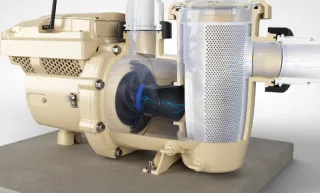
How often should I have my pool equipment looked at?
Getting your pool equipment look at regularly is the equivalent of getting an oil change. We recommend getting your pool equipment tuned up and inspected once a year usually before summer or during the winter months.
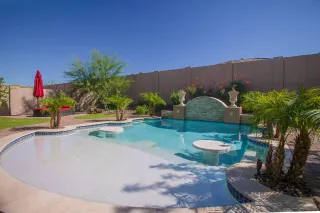
Why is my pool pump making strange noises?
Strange noises from your pool pump can indicate various issues, such as worn-out bearings, debris stuck in the impeller, or air leaks in the suction line. It's essential to address these issues promptly to prevent further damage and maintain optimal pump performance.
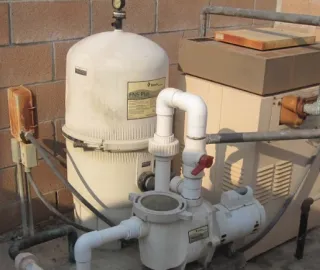
How often should I run my pool pump?
The recommended runtime for a pool pump depends on factors such as pool size, bather load, and climate. As a general rule, running the pump for 8-12 hours per day during the swimming season helps maintain proper circulation and filtration.
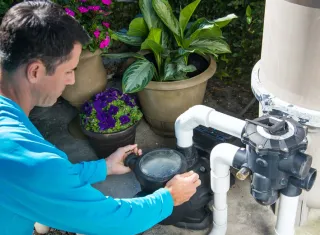
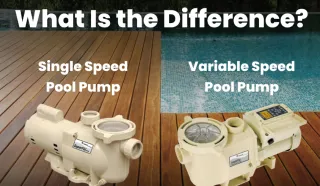
What is the difference between a single-speed and a variable-speed pool pump?
Single-speed pumps operate at a fixed speed, while variable-speed pumps allow you to adjust the speed to match your pool's needs. Variable-speed pumps offer greater energy efficiency and quieter operation, making them a popular choice for pool owners looking to reduce energy costs.
How can I troubleshoot common pool pump problems?
Common pool pump problems such as low flow, leaks, or priming issues can often be resolved through simple troubleshooting steps like checking for clogs, inspecting seals and gaskets, and ensuring proper water level. If troubleshooting doesn't resolve the issue, it's best to consult with a professional pool technician for further assistance.
INFORMATIONAL ARTICLES
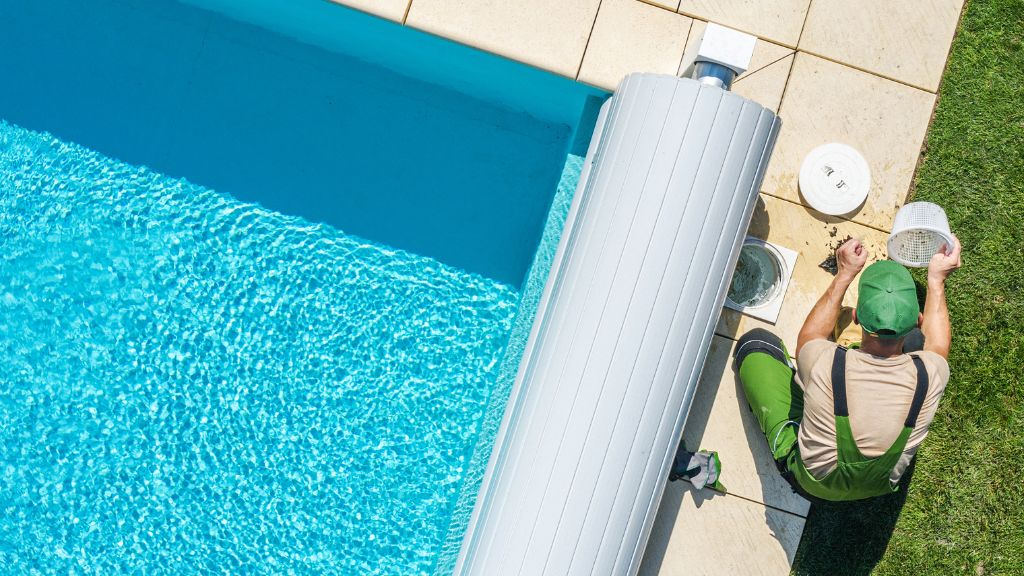
How To Clean Pool Filter: Step-By-Step Guide
If your pool water looks cloudy or your pump seems to be working harder than usual, a dirty filter is often the culprit. Learning how to clean pool filter systems properly is one of the most important things you can do as a pool owner. It keeps your water clear, extends the life of your equipment, and saves you money on repairs down the road.
This guide breaks the whole process down in plain language, so even if you've never touched your filter before, you'll know exactly what to do.
Why Cleaning Your Pool Filter Actually Matters
Your pool filter is doing a lot of heavy lifting. It traps algae, debris, oils from sunscreen, phosphate residue, and other contaminants every single time your pump runs. Over time, all that buildup restricts water flow and puts stress on your entire filtration system.
Neglecting it doesn't just hurt your water quality. It can shorten the life of your pump and other equipment, leading to costly replacements you could have avoided.
Know Your Filter Type Before You Start
Not all pool filters work the same way, and the cleaning process varies depending on which type you have. There are three main types used in most swimming pool setups.
Sand filters use a bed of sand to trap debris. They're cleaned through a process called backwashing, where water is reversed through the filter to flush out contaminants.
Cartridge filters use a pleated filter element - think of it like a large cylindrical version of a furnace filter. These are removed and rinsed manually.
DE (Diatomaceous Earth) filters use a fine powder coating over internal grids to filter water at a very fine level. These require backwashing and periodic disassembly.
For the purposes of this guide, we'll focus primarily on cartridge filters, since they're the most common type used in residential pools and require the most hands-on cleaning.
How To Clean a Cartridge Pool Filter: Step-By-Step
Step 1: Turn Off the Pump
Before you do anything else, shut off your pool pump. Never open a filter housing while the system is under pressure. Check for a pressure release valve on the filter housing and open it to relieve any built-up pressure before removing the lid.
Step 2: Remove the Cartridge
Open the filter housing and carefully lift out the cartridge. Some housings have a single large cartridge, while others, like certain Pentair models, use multiple smaller ones. Set the cartridge on a clean surface like a cart or flat area of your pool deck.
Step 3: Rinse With a Garden Hose
Using a garden hose with a spray nozzle, rinse the cartridge from top to bottom at an angle to push debris out from between the pleats. Work your way around the entire cartridge systematically. Avoid pressure washing the cartridge, as too much pressure can damage the delicate pleat material and shorten its lifespan significantly.
This first rinse removes the bulk of loose debris, sand, and algae buildup trapped in the filter media.
Step 4: Soak the Cartridge in a Cleaning Solution
Rinsing alone won't remove oils, calcium deposits, or deeply embedded particles. You'll need to soak the cartridge in a cleaning agent designed for pool filters.
Fill a large bucket with water and add a dedicated filter cleaning solution. Some pool owners use a small amount of dishwashing liquid or a product like Simple Green instead, but purpose-built filter cleaners tend to be more effective. Avoid laundry detergent, as foaming agents in those products can cause serious foam issues in your pool water.
Let the cartridge soak for at least 8 hours, or overnight if possible. This step is especially important if you have a hot tub or heavily used swimming pool where oil and residue buildup is more pronounced.
Step 5: Rinse Again Thoroughly
After soaking, pull the cartridge out and rinse it again with your garden hose. This second rinse removes the loosened contaminants along with any remaining cleaning solution. Make sure the water running off the cartridge runs clear before you consider it done.
Step 6: Inspect the Cartridge
Before reinstalling, take a close look at the filter. Check for cracked pleats, tears in the filter material, or any sign of deterioration that has compromised the structure. A damaged cartridge won't filter properly no matter how clean it is.
If you spot damage, it's time to replace it instead of reinstalling it.
Step 7: Reinstall and Restart the System
Slide the clean cartridge back into the housing, secure the lid, and turn your pump back on.
Check the pressure gauge - a clean filter should show a lower reading than a dirty one. If pressure is still high after cleaning, the cartridge may need to be replaced.
When To Use an Acid Wash on Your Filter
Sometimes, especially in areas with hard water, calcium deposits can build up on the filter material in a way that soaking alone can't resolve. In those cases, a diluted acid solution can help.
Mix one part hydrochloric acid (muriatic acid) with 20 parts water in a bucket - always add acid to water, never the other way around. Submerge the cartridge briefly, then rinse it thoroughly.
Handle this process carefully and wear protective gloves and eyewear.
If you're not comfortable working with acid, this is a good job to hand off to a professional.
How Often Should You Clean Your Pool Filter?
As a general rule, cartridge filters should be cleaned every 4 to 6 weeks during regular swim season. If you use your pool heavily or notice a rise in filter pressure, clean it sooner. Resources like Swim University recommend monitoring your pressure gauge rather than going strictly by a calendar schedule.
Keep Your Pool Filter Clean for Better Performance
Keeping your pool filter clean is one of the simplest ways to maintain a healthy, efficient pool system. If you run into issues along the way - stubborn calcium buildup, a damaged cartridge, or a filter that just isn't performing right - the team at Triton Pools is here to help. Explore our professional pool filter services to find out how we can handle the hard work for you, or call us at 623-226-4454 to schedule a visit.

wHERE WE SERVICE
SERVING PHOENIX METRO ARIZONA

Apache Junction
San Tan Valley

Connect With Us


