
865+ Five-Star Reviews - (623) 226-4454




FAQ Section
Trustworthy
Quality Focused
Financing Available
Locally Owned
Phoenix's #1 Trusted
Pool professionals
WHERE EXCELLENCE IN POOLS MEETS UNPARALLELED SERVICE
Trustworthy
Locally Owned
Quality Focused
Financing Available
COMMON QUESTIONS
How long has Triton Been Around?
We've been around for over 10 years. We have been in the service industry in the Phoenix Valley for over 25 years and counting. We strive to provide the best quality service to all customers in the Phoenix Metro area and our reviews show just that. Reputation is our #1 priority and we want to make sure we provide the best service with the best warranty.

What makes Triton different?
Triton makes things different by trying to put the customer first, meaning we've done things with you in mind. For example one of those things being equipment pricing, we've outsourced our own Pumps, & Salt Cells to ensure we give you the best possible product with the best warranty in the industry.
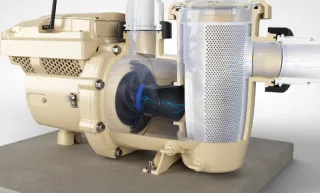
How often should I have my pool equipment looked at?
Getting your pool equipment look at regularly is the equivalent of getting an oil change. We recommend getting your pool equipment tuned up and inspected once a year usually before summer or during the winter months.
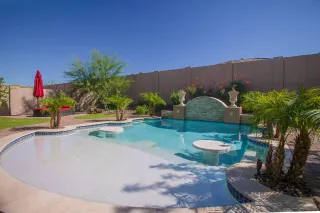
Why is my pool pump making strange noises?
Strange noises from your pool pump can indicate various issues, such as worn-out bearings, debris stuck in the impeller, or air leaks in the suction line. It's essential to address these issues promptly to prevent further damage and maintain optimal pump performance.
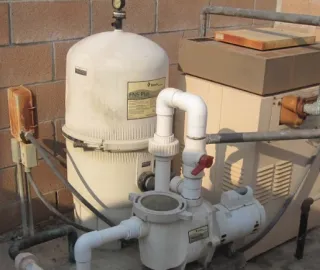
How often should I run my pool pump?
The recommended runtime for a pool pump depends on factors such as pool size, bather load, and climate. As a general rule, running the pump for 8-12 hours per day during the swimming season helps maintain proper circulation and filtration.
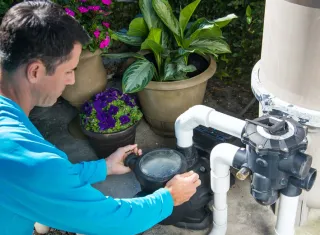
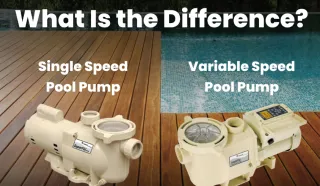
What is the difference between a single-speed and a variable-speed pool pump?
Single-speed pumps operate at a fixed speed, while variable-speed pumps allow you to adjust the speed to match your pool's needs. Variable-speed pumps offer greater energy efficiency and quieter operation, making them a popular choice for pool owners looking to reduce energy costs.
How can I troubleshoot common pool pump problems?
Common pool pump problems such as low flow, leaks, or priming issues can often be resolved through simple troubleshooting steps like checking for clogs, inspecting seals and gaskets, and ensuring proper water level. If troubleshooting doesn't resolve the issue, it's best to consult with a professional pool technician for further assistance.
INFORMATIONAL ARTICLES
Dirty Pool Filter Symptoms: 7 Signs Your Filter Needs Help
Your pool might look fine on the surface, but if the filter is struggling, things can go downhill fast.
A dirty or failing filter affects everything from water clarity to the health of your pump and plumbing system. Knowing what to watch for can save you from a costly repair down the road.
Here are seven signs your pool filter is overdue for some attention.
Cloudy or Hazy Water That Won't Clear Up
This is usually the first thing pool owners notice. When your filter is packed with debris, dirt, and other contaminants, it loses the ability to push water through properly. The result is cloudy, dull water that stays murky even after you've balanced the chemicals.
Filtration depends on water moving through the filter media, whether that's sand, a cartridge, or a DE grid, and being cleaned in the process. When that media is clogged, water quality takes a hit almost immediately.
Higher Than Normal Pressure Readings
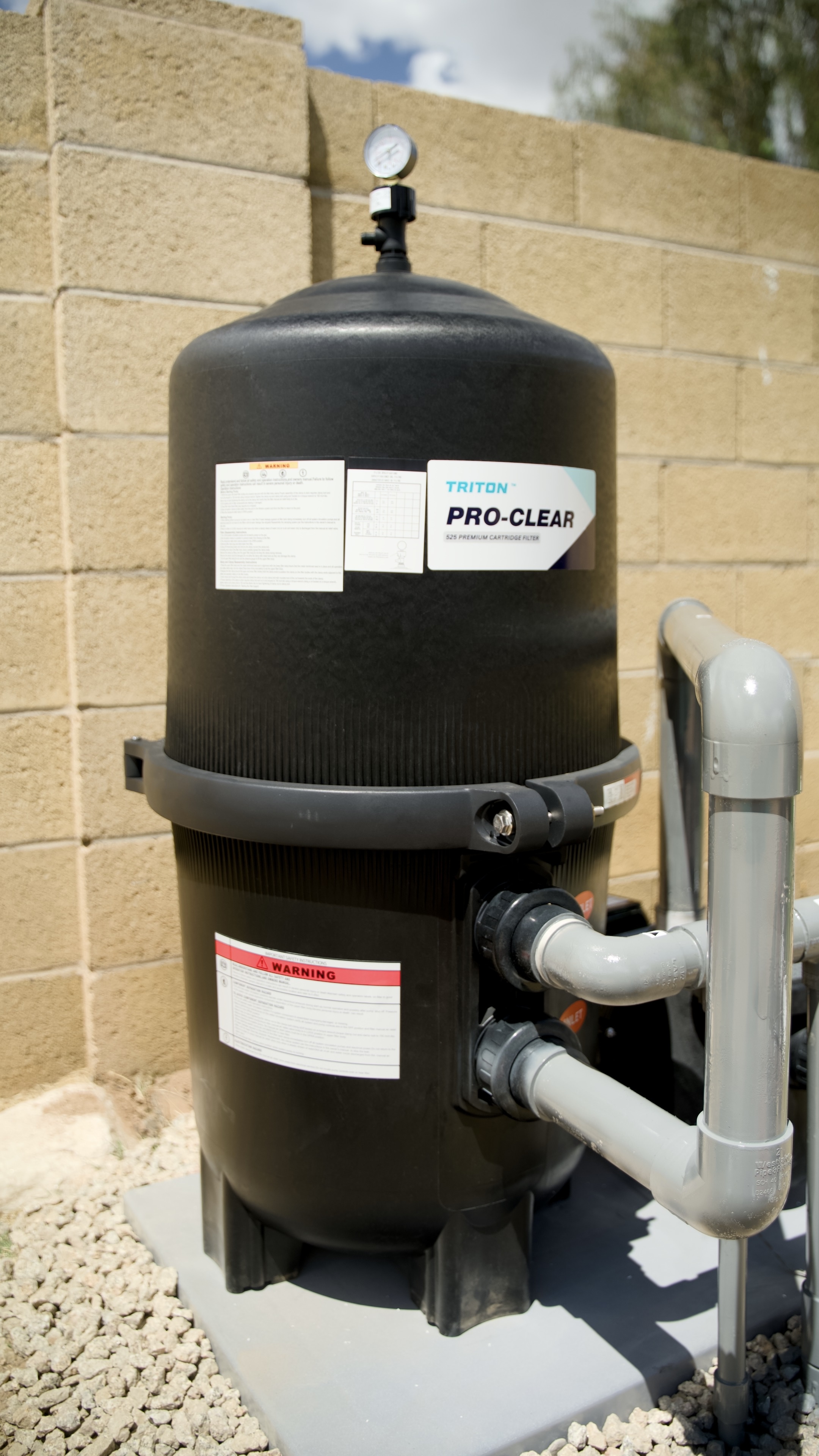
Most pool filters have a pressure gauge on top. If you notice the reading creeping up 8 to 10 PSI above your baseline, that's a strong signal that the filter is overloaded.
High pressure means water is being forced through a system that's too restricted to flow properly. Think of it like trying to breathe through a clogged air filter. The pump works harder, efficiency drops, and filtration suffers. Pressure measurement is one of the easiest ways to catch filter problems early.
Debris Returning to the Pool
If you're seeing dirt, dust, or small particles blowing back into the pool through the return jets, your filter isn't catching what it should. This can happen when the filter media breaks down or when a cartridge pleat tears and allows contaminants to bypass the filtration process entirely.
This kind of contamination is especially common after heavy storms or periods of high pollen counts in Phoenix, when the filter gets overwhelmed faster than usual.
Algae Growth Even After Treatment
Algae is persistent, and a dirty filter gives it a real advantage. When your swimming pool filter isn't functioning at full capacity, algae spores and other organic substances aren't being removed from the water effectively.
If you're treating your pool for algae and it keeps coming back, the filter may be holding onto the problem rather than clearing it. Cleanliness in your filter directly supports cleaner water throughout the entire pool.
Weak Water Flow From the Jets
Low flow from your return jets often points back to the filter. When the filter media is clogged with sand, debris, or other buildup, water can't move through the system at the right rate. The pump may still be running, but the pressure from clean water flowing through properly isn't happening.
Reduced jet pressure affects not just swimming comfort but also how well the water circulates and stays sanitized. Poor circulation leads to poor water quality, plain and simple.
The Filter Needs Backwashing Way Too Often
Backwashing is a normal part of maintenance for sand and DE filters. But if you're finding yourself needing to backwash every few days instead of every few weeks, something is off. The filter could be undersized for your pool, or the media inside may be worn out and due for a replacement.
For cartridge filters, the equivalent sign is needing to rinse the cartridge constantly without getting lasting results. Frequent cleaning cycles that don't seem to solve the problem are a sign the filter's longevity is running out.
Visible Damage or Wear on the Filter Components
Sometimes the issue isn't just buildup. Cracked housing, worn O-rings, damaged valves, or torn cartridge pleats can all cause your filter to underperform. These problems allow water to bypass the filtration media entirely, meaning contamination passes right back into your pool.
If you notice any cracking or leaking around fittings, or air bubbles returning to the pool, it's worth opening up the filter for a closer look. Troubleshooting filter issues early keeps small problems from becoming major repairs.
How to Keep Your Pool Filter Running Smoothly
Check the Pressure Gauge First
It's a quick, easy starting point. If pressure is high, try backwashing if you have a sand or DE filter. If that doesn't bring it down, the media may need replacing.
Inspect and Clean the Cartridge or Media
For cartridge filters, pull the cartridge and rinse it thoroughly. Check the pleats for tears or damage. If the cartridge looks gray, brittle, or misshapen, it's time for a new one.
Schedule a Professional Filter Cleaning
A deep pool filter cleaning goes beyond what a garden hose can accomplish. A certified technician can assess the condition of your filter, clean the media properly, and identify any underlying issues with the pump or plumbing that might be contributing to the problem.
Consider Your Pool's Maintenance Schedule
Occupational safety and health guidelines for commercial pools require regular filter maintenance. Even for residential pools, a consistent schedule protects both the equipment and the swimmers using it. If you don't have a routine in place, now is a good time to set one.
Conclusion
A dirty pool filter rarely announces itself loudly, but the signs are there if you know what to look for. Cloudy water, rising pressure, weak jets, and returning debris are all clues that your filter needs help.
The good news is that catching these issues early keeps your swimming pool running efficiently and your water safe. If your filter is due for a professional cleaning or inspection, reach out to Triton Pools at 623-226-4454 to get it handled the right way.

wHERE WE SERVICE
SERVING PHOENIX METRO ARIZONA

Apache Junction
San Tan Valley

Connect With Us


