865+ Five-Star Reviews - (623) 226-4454




Pool Maintenance Services in Phoenix, AZ
Trustworthy
Quality Focused
Financing Available
Locally Owned
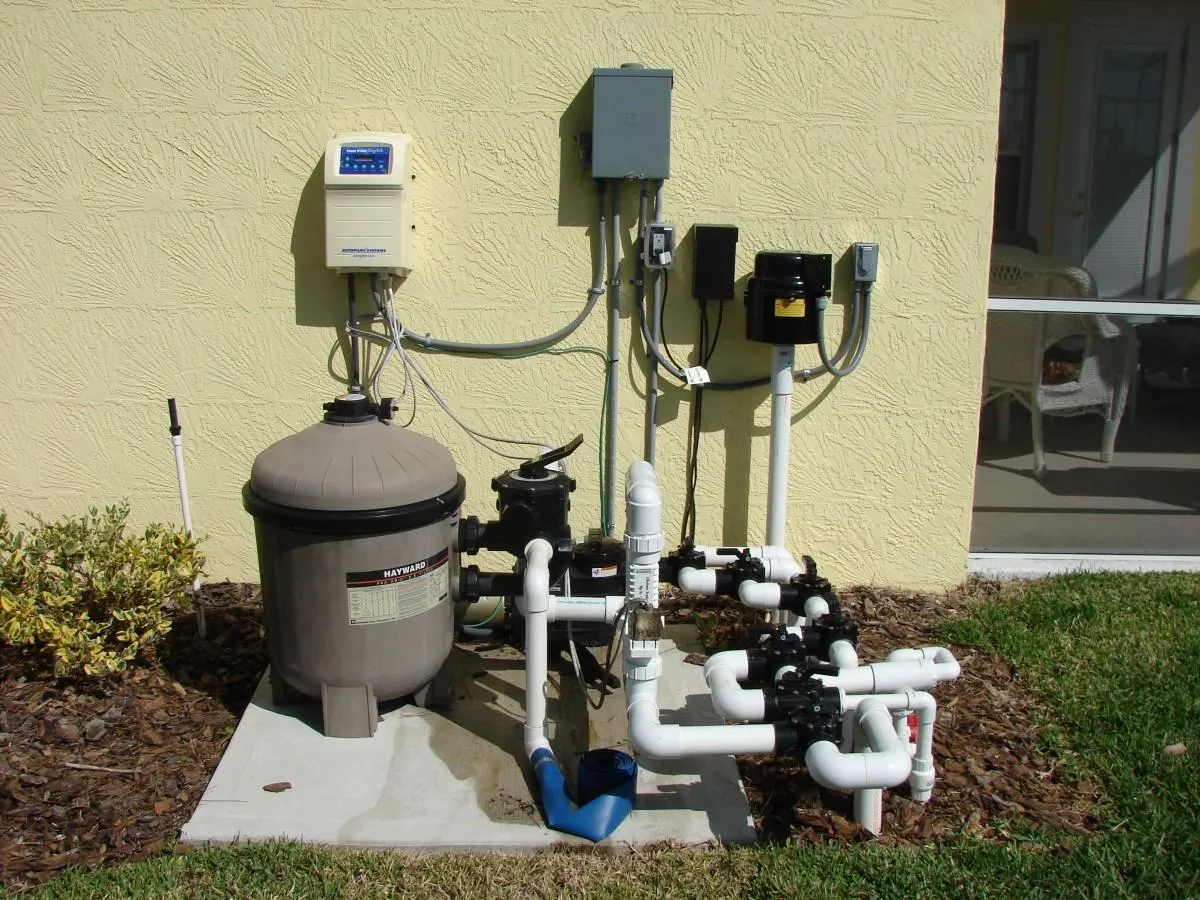
Parts Of A Swimming Pool Pump: Key Components Explained
Your pool pump runs quietly in the background, doing the hard work of keeping your water clean and moving. But when something goes wrong, suddenly you are dealing with strange noises, weak water flow, or a motor that will not start. Understanding the parts of a swimming pool pump makes it a lot easier to figure out what is happening and why it matters.
This guide breaks down each component in plain language so you know exactly what you are looking at.
Why The Pool Pump Is The Heart Of Your Pool System
Think of your swimming pool pump as the engine that drives everything else. Without it, water sits still, chemicals do not circulate, and swimming pool sanitation breaks down fast. Algae can start forming within 24 to 48 hours of a pump failure in a hot climate like Phoenix, Arizona, where temperatures push water toward stagnation quickly.
Every other part of your pool system - the filter, the heater, the salt cell - depends on water moving through it. That movement starts with the pump.
The Main Parts Of A Swimming Pool Pump
The Pump Housing (Volute)
The outer shell of the pump is called the volute. This is a spiral-shaped plastic casing that surrounds the impeller and directs water flow in a controlled path. The design of the volute is specifically engineered to convert the energy created by spinning water into pressure that pushes it through your plumbing and filter system.
If the volute cracks - which can happen from UV exposure, freezing temperatures, or impact - you will notice water leaking around the pump body. In Phoenix, UV damage to plastic pump housings is more common than most homeowners expect.
The Strainer Basket
Before water ever reaches the impeller, it passes through a strainer basket. This sieve-like component catches leaves, bugs, hair, and other debris that gets pulled in from your skimmer and main drain lines. It is one of the simplest parts, but skipping regular cleaning causes more pump problems than almost anything else.
A clogged basket restricts suction, makes the motor work harder, and shortens the life of the entire system. Most manufacturers like Hayward and Pentair recommend checking the basket at least once a week during heavy-use seasons.
The Strainer Lid
The lid sits on top of the strainer pot and creates the seal that allows the pump to build suction.
Most lids are made of clear or translucent plastic so you can see the basket without opening it.
The seal between the lid and the pot body is critical.
When that seal starts to fail, air gets sucked into the system instead of water, which kills pump performance fast. This is usually caused by a worn or damaged O-ring.
The O-Ring And Gasket
The O-ring is a small rubber ring that sits in a groove on the underside of the strainer lid. It compresses when the lid is tightened, creating an airtight seal. Over time, O-rings dry out, crack, or deform, especially in the heat of Phoenix summers.
A gasket serves a similar purpose on other connection points throughout the pump assembly.
Replacing a failed O-ring or gasket is one of the cheapest and most effective fixes in pool maintenance. A lot of mysterious "air in the system" problems come down to a $3 rubber ring.
The Impeller
The impeller is the rotating part inside the volute that actually moves the water. It spins at high speed, using centrifugal force to create suction on one side and push water out the other. It is shaped a bit like a fan with curved blades.
When debris gets past the basket and clogs the impeller, water flow drops noticeably and the motor can overheat. Clearing an impeller requires disassembling the pump, which is a job most homeowners prefer to leave to a certified technician.
The Diffuser
Just behind the impeller sits the diffuser. Its job is to slow down the fast-moving water coming off the impeller and convert that velocity into pressure. Without the diffuser doing its job correctly, you lose efficiency in the entire system.
The diffuser is sometimes overlooked during pump repairs, but a cracked or warped diffuser can cause weak water pressure even if everything else is working fine.
The Electric Motor
The electric motor is what drives the impeller. It is the largest and most expensive part of the pump assembly. Motors are rated by horsepower, and selecting the right horsepower for your pool size and plumbing layout is important for efficiency and long-term performance.
Running a motor that is too large wastes energy and can cause excess pressure in your plumbing. Running in one that is too small means poor circulation. Voltage requirements matter here too - most residential pool motors in Phoenix run on 115V or 230V, and wiring them incorrectly can cause immediate failure or a safety hazard.
Modern variable-speed motors have changed energy consumption significantly. Brands like Hayward and Pentair now offer variable-speed options that adjust based on demand, which can cut energy use by more than 50 percent compared to older single-speed motors.
The Motor Shaft Seal
The shaft seal sits between the electric motor and the wet end of the pump. It prevents water from leaking into the motor, which would cause catastrophic damage. It is a small part with a very important job.
When a shaft seal fails, you will often see water dripping right beneath the pump motor. Ignoring this will eventually destroy the motor bearings and require a full motor replacement.
The Timer Or Automation Controls
Most pool pumps do not run continuously. A timer or automation system controls when the pump runs and for how long. Basic mechanical timers are still common on older systems, while modern setups use digital controls or full pool automation platforms that can be managed remotely and sometimes even through text messaging-based alerts sent by the system when something is wrong.
Proper scheduling reduces energy consumption and extends the life of the motor. In Phoenix, running efficiently during off-peak energy hours can also reduce your electricity costs.
Common Signs That A Pump Part Is Failing
You do not need to be a pool technician to recognize when something is off. These are the signs worth paying attention to:
Weak water flow from return jets often points to a clogged basket, blocked impeller, or failing diffuser.
Air bubbles returning through jets usually mean a suction-side air leak - check the O-ring and lid gasket first.
Loud grinding or screeching from the motor suggests worn bearings or debris caught in the impeller.
Water dripping under the motor is almost always a shaft seal failure.
A pump not starting can be a motor issue, a voltage problem, or a tripped breaker.
Catching these symptoms early saves money. A failed O-ring is a minor fix. A burned-out motor is not.
How Pool Pump Parts Relate to Overall Pool Health
Every part of the pump works together to support swimming pool sanitation. When water is not circulating properly, chlorine and other pool chemicals cannot distribute evenly. Poorly circulated areas can form, algae may develop, and the pool can become less sanitary or unsafe if chemical levels fall out of range.
Pool supply retailers carry many basic pump parts, but diagnosing the actual issue before buying replacement parts can save time and money. A basket that looks fine might not be the problem. The real culprit could be a partially closed valve, clogged line, damaged seal, or cracked diffuser that is not visible without a closer inspection.
Proper flow measurement is one way technicians confirm whether a pump is performing as it should. If flow rates are lower than expected, it can help narrow down which component may be causing the issue.
When To Call A Professional For Pool Pump Repair
Some pump maintenance is straightforward - cleaning the basket, replacing an O-ring, checking the lid seal. But anything involving the motor, impeller, shaft seal, or internal plumbing connections is worth having a professional handle.
Certified technicians have the tools to test voltage at the motor, measure flow rates, and identify wear patterns that are not obvious to the untrained eye. For pool owners in Phoenix, same-day service is available from Triton Pools, which means a failing pump does not have to ruin a weekend.
Key Takeaways On Parts Of A Swimming Pool Pump
Your pool pump is made up of more parts than most people realize, and each one plays a role in keeping your water safe and clean. From the volute and impeller to the O-ring and motor shaft seal, every component works as part of a system.
When one part fails, the whole system feels it. If your pump is showing signs of trouble, reach out to Triton Pools at 623-226-4454 to schedule a pool pump service and get your system back to working the way it should.

Phoenix's #1 Trusted
Pool professionals
WHERE EXCELLENCE IN POOLS MEETS UNPARALLELED SERVICE
Trustworthy
Locally Owned
Quality Focused
Financing Available

Connect With Us


