865+ Five-Star Reviews - (623) 226-4454



Phoenix's Best Rated
Pool Service Company
Premium Pool Service & Equipment Repairs
Same Day Availability
ROC Licensed
Over 1,000 Reviews
Locally Owned

Phoenix's Best Rated
Pool Service Company
Premium Weekly Pool Service & Equipment Repairs
THE POOL GUYS
YOU CAN TRUST
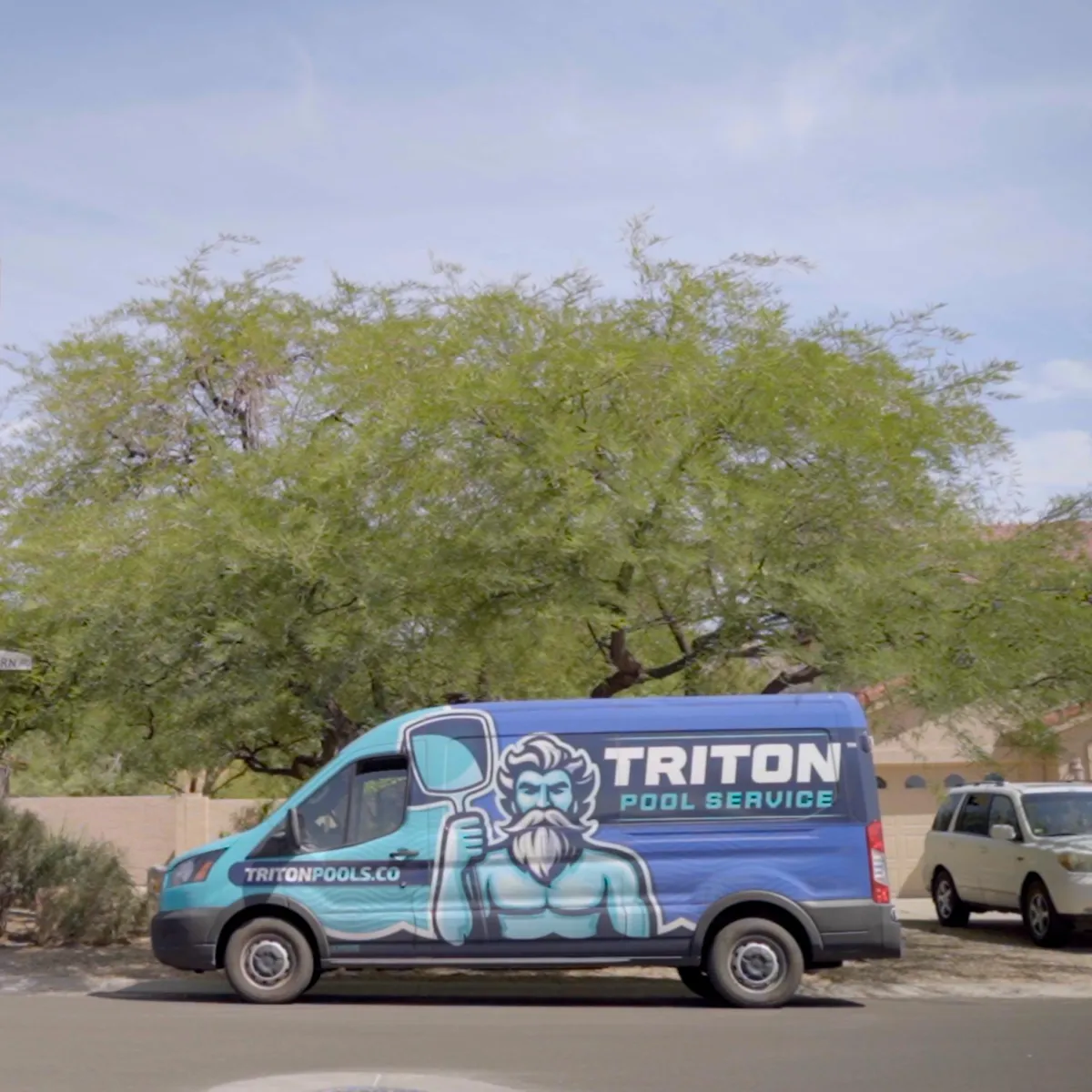
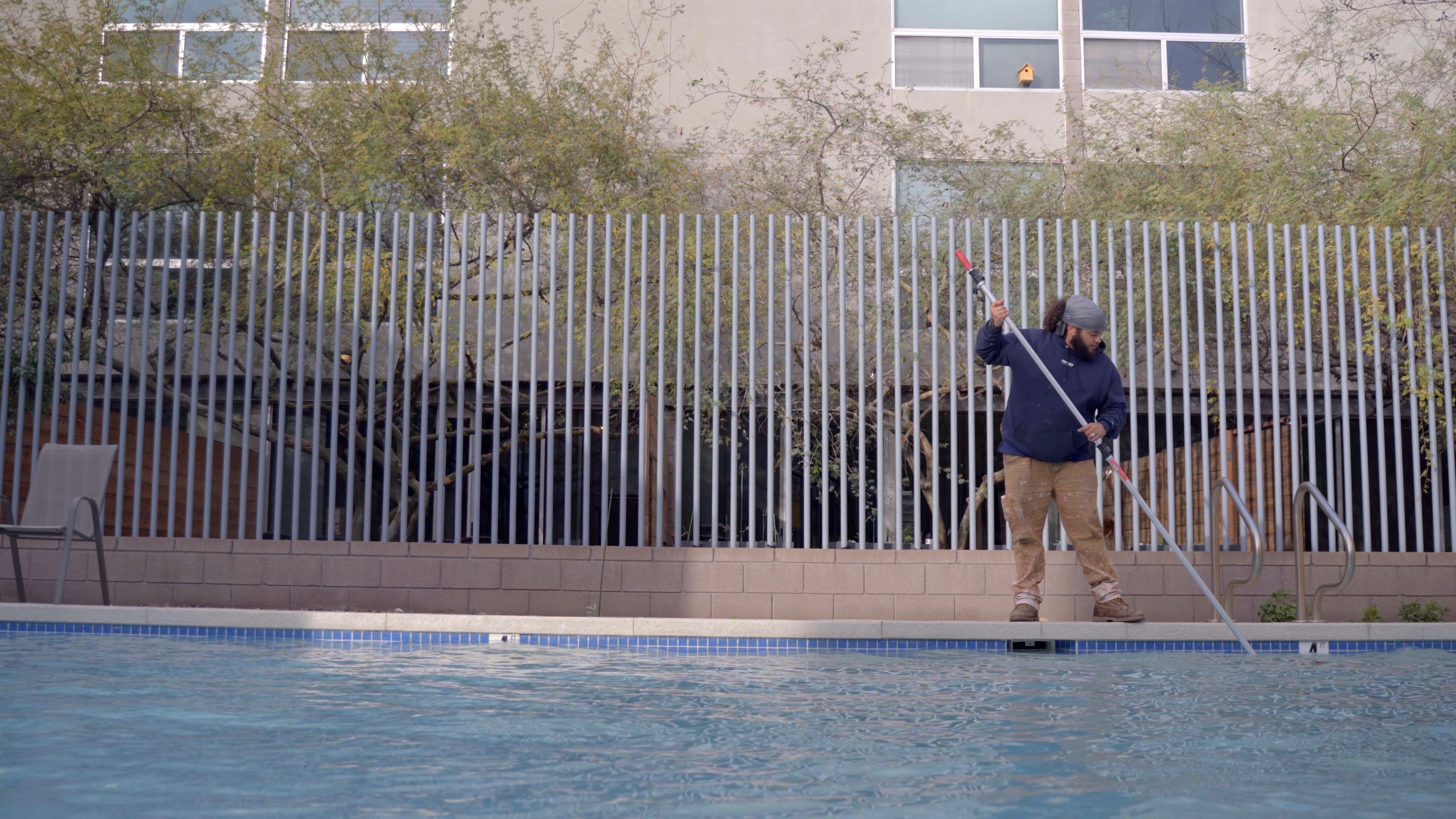
Your pool should be the best part of your backyard, not another item on your to-do list. That's where we come in. Triton Pools is a family-owned, fully insured team of pool professionals serving the greater Phoenix area with service, & repair work you can count on. Whether it's weekly maintenance, a failed pump, or a full pool transformation, we show up when we say we will and stand behind every job we do.
SAME DAY BOOKINGS
BEST WARRANTIES
FINANCING AVAILABLE
BEST PRODUCTS
5.0 STAR RATED

THE POOL GUYS YOU CAN TRUST
Your pool should be the best part of your backyard, not another item on your to-do list. That's where we come in. Triton Pools is a family-owned, fully insured team of pool professionals serving the greater Phoenix area with service, & repair work you can count on. Whether it's weekly maintenance, a failed pump, or a full pool transformation, we show up when we say we will and stand behind every job we do.
SAME DAY BOOKINGS
BEST WARRANTIES
FINANCING AVAILABLE
BEST PRODUCTS
5.0 STAR RATED
SUMMERTIME SPECIAL
*Only Applies To Our Next 20 Clients
Get 1 Month Free
Get 1 month free when you sign up for weekly pool service
READ OUR REVIEWS
ENJOY YOUR POOL YEAR ROUND
We answer the phones 24/7
Warrantied products
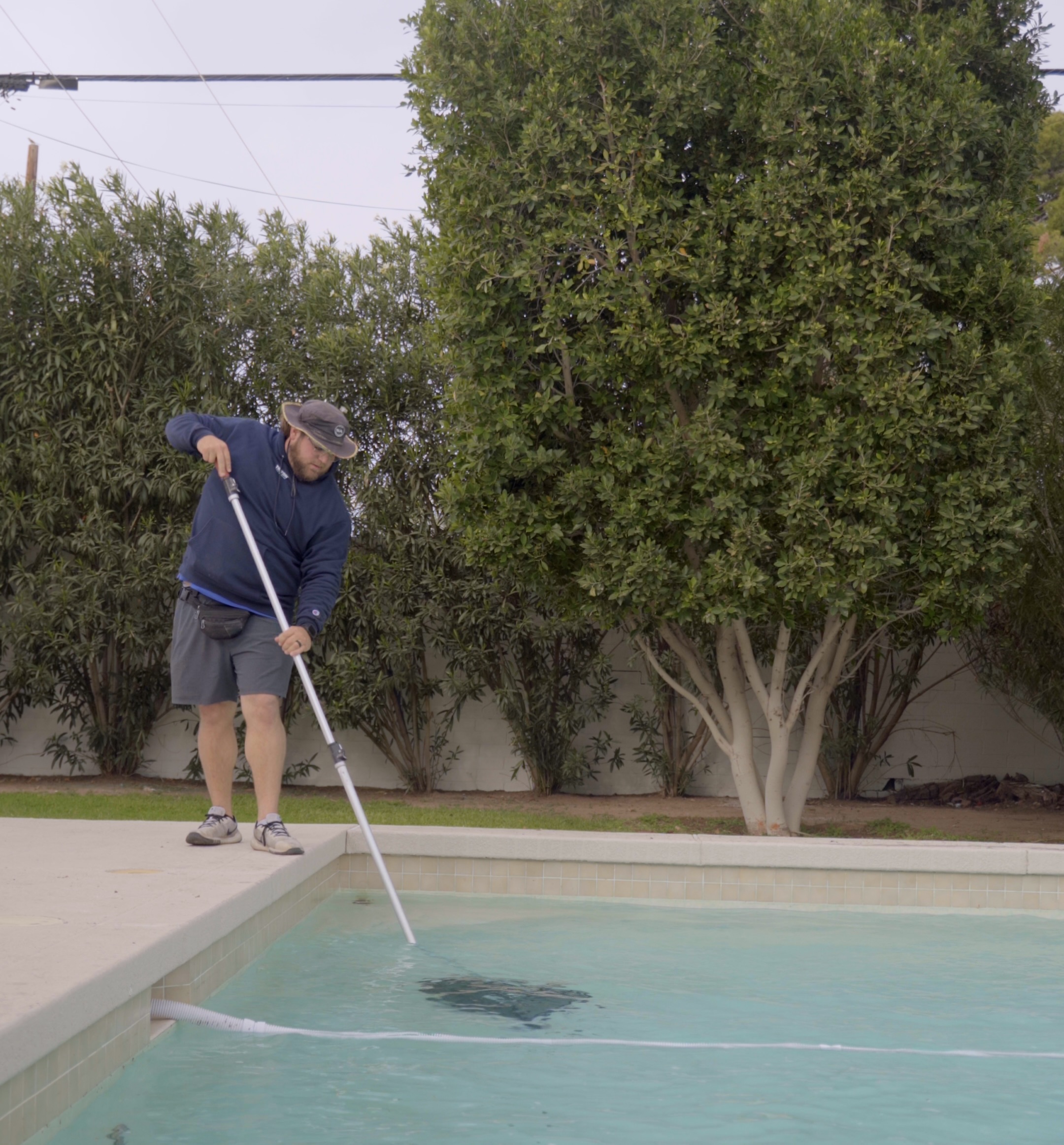
Certified & trained techs
THE TRITON
PRO MEMBERSHIP
ASK ABOUT BECOMING A MEMBER
Perks include:
Priority Booking
10% Off All Repairs
24/7 Text Support
FREE Diagnostics
Unlimited $50 Cartridge Cleanings
Annual Leak Protection
*Annual leak protection covers any leaks above ground related to your pool seals & o-rings, meaning we'll come out same day or next day to fix the leak completely for FREE
wHERE WE SERVICE
SERVING PHOENIX METRO ARIZONA
Apache Junction
San Tan Valley

Are Pool Lights Safe for Night Swims and Kids? Safety Tips
Are Pool Lights Safe? What Every Pool Owner Should Know Before Swimming at Night
There is something special about swimming at night. The water is cooler, the air is calm, and the right lighting can completely transform your pool environment. But if you have ever paused and wondered whether pool lights are safe, you are not alone.
Electricity and water are not a comforting combination. Stories about electrical injury, stray voltage, or even electrocution in a swimming pool can make any homeowner uneasy. The good news is that modern pool lighting technology is designed with multiple safety layers. When properly installed and maintained, pool lights are safe.
Let’s walk through what actually makes them safe and when you should start asking questions.
How Pool Lights Work in a Swimming Pool
Most underwater pool lights sit inside a sealed light fixture installed into a metal or plastic niche built into the wall of the pool. The fixture stays watertight while electricity travels through protected wiring behind the shell and up to a junction box located away from the pool.
From there, the lighting system connects to a transformer and the main electrical system. The transformer reduces voltage, often from 120 volts of line voltage or mains electricity down to a much safer 12 volts. That low voltage, or extra-low voltage, powers many modern underwater lighting systems.
This separation is critical. It is one of the main reasons modern pool and spa lighting is designed to reduce risk.
Low Voltage vs High Voltage Pool Lighting
Not all pool lighting systems are created equal. Older pools may still use a 120-volt or other high-voltage configuration. Newer systems often rely on low voltage for added protection.
Here is the basic difference:
High-voltage systems use 120 volts directly in the lighting circuit.
Low-voltage systems use a transformer to step down power to 12 volts or 12v on the side of the transformer closest to the pool.
A low-voltage system limits the potential for serious electrical hazards in water.
According to the National Electrical Code, also called the NEC, certain underwater lighting applications must meet strict voltage and installation guidelines. The NEC article that covers pools lays out requirements for transformers, junction boxes, grounding, bonding, and GFCI protection.
If you are not sure which type your swimming pool uses, a qualified electrician or pool professional can inspect your equipment.
Built-In Safety Features That Protect Swimmers
Modern pool lighting systems are designed with multiple layers of safety. These features work together to prevent electrical fault conditions and reduce the risk of electrocution.
Transformers
A transformer reduces high-voltage power to low voltage. By lowering the voltage before electricity reaches the water, the hazard is significantly reduced.
Many LED pool lights operate only on low voltage. This is especially important in the pool environment, where water, metal, and electricity coexist.
GFCI Protection
A ground fault circuit interrupter, commonly called a GFCI, constantly monitors electric current flowing through the circuit. If it detects leakage or stray voltage, it shuts the power off almost instantly.
GFCIs and residual-current device technology are required by the electrical code and reinforced by the NEC for pool and spa installations. This type of ground fault circuit protection is one of the most important advancements in pool lighting safety.
Proper Grounding and Bonding
Grounding connects electrical components to ground to prevent the dangerous buildup of electric current on metal parts. Bonding connects the metal parts of the pool, pump, and light fixture together so there are no voltage differences.
Stray voltage in a pool can create serious hazard conditions. The national electrical code requires strict grounding and bonding methods to limit this risk.
What Can Go Wrong With Pool Lights?
Even though pool lights include significant safety features, problems can develop over time.
Corrosion-resistant materials protect most modern light fixtures and niche components. However, constant exposure to water and chemicals can break down seals. If the glass lens cracks or the fixture fills with water, you could experience flickering lights or a complete failure.
Common warning signs include:
Flickering lights or lights that flicker before turning off
A tripping circuit breaker or GFCI
Water is visible inside the pool light fixture
Rust or damage around the niche
An electrical fault inside the fixture, damaged wiring, or a failing transformer can all pose electrical hazards if ignored.
The U.S. Consumer Product Safety Commission has issued guidance in the past about maintaining underwater lighting to help prevent electrical injury. The message is simple: maintain your equipment and address warning signs early.
If you notice any of the signs that your pool needs immediate repair, do not keep swimming. Have a professional evaluate the system.
Are LED Pool Lights Safer?
In most cases, yes. LED lights and light-emitting diode technology generate less heat and are often paired with low-voltage systems.
Unlike older incandescent systems that used an incandescent bulb running at 120 volts, LED lights typically use low voltage and sealed electronic component designs. That improves energy efficiency and reduces energy consumption over time.
Modern pool lights that use LED technology also last longer, which reduces how often the fixture needs to be opened or replaced. Less frequent handling means fewer opportunities for improper installation or wiring issues.
The Importance of Professional Installation
Improper installation is one of the biggest risks with pool lighting. Every junction, wire, and junction box must meet NEC standards. The height and placement of junction boxes, the type of transformer, and even the conduit used for electrical wiring matter.
This is not a typical DIY job. It requires a qualified electrician or certified pool technician who understands the electrical system, the NEC, and local code requirements in Phoenix, Arizona.
If you are considering professional pool lighting installation and upgrades, working with trained experts helps ensure:
Proper low-voltage lighting setup
Code-compliant wiring and grounding
Correct placement away from the pool
Full GFCI protection
A properly compliant system greatly reduces risk.
Special Considerations for Older Pools in Phoenix
Older pools may still rely on high-voltage lighting systems installed decades ago. Over time, electrical wiring insulation can degrade, metal niches can corrode, and connections can loosen.
In a desert climate like Phoenix, Arizona, heat also affects electronic components and transformers. Pools may develop small cracks or deck shifts that put strain on conduits.
If your lighting system is more than 15 to 20 years old, it may be time to upgrade. Updating to a low-voltage system with modern pool lighting technology improves both safety and visual appeal.
It also pairs well with advanced pool automation systems, allowing you to control illumination levels, scheduling, and even spa or hot tub lighting settings from your phone.
Maintenance and Inspections Matter
Routine inspection is key to preventing electrical hazards around the pool.
During regular service, technicians should check:
GFCI function and circuit response
Condition of the transformer
Signs of leakage inside the light fixture
Secure bonding and grounding
Proper operation of the lighting system
Pool owners often focus on the pump, water chemistry, and cleaning, but lighting is equally important for safety.
If you are unsure about the condition of your system, Triton Pools provides expert pool repair services in Arizona and can evaluate your lighting, along with other concerns. You can also learn about the most common pool repairs in Arizona and how to prevent them to stay proactive.
Beyond Electricity - Lighting Helps Prevent Drowning
There is another important point that many homeowners forget. Proper illumination reduces drowning risk.
Adequate underwater lighting and lighting around the pool allow you to clearly see swimmers, steps, and depth changes. For families with children or guests who enjoy swimming at night, clear visibility is critical.
Good lighting design ensures there are no dark zones in your swimming pool. Safety is not just about voltage and circuits. It is also about visibility.
So, Are Pool Lights Safe?
Yes, when they are installed correctly, maintained regularly, and protected by the right electrical safeguards.
Modern systems using low voltage, transformer isolation, GFCI protection, and code-compliant installation make underwater lighting far safer than many people assume. Problems typically arise from aging equipment, poor installation, or neglected maintenance.
If you are unsure about your setup, or if your lights operate inconsistently, flicker, or trip breakers, do not ignore it. Have a professional inspect it.
Conclusion
Pool lights add beauty and safety to your pool, but they must be properly installed and maintained to stay that way. If your system is aging, flickering, or simply outdated, a thorough inspection can give you peace of mind. Triton Pools in Phoenix, Arizona, offers inspections, repairs, and upgrades that keep your lighting system safe and reliable.
Whether you need a simple fix or want to upgrade your pool with modern technology, taking action now helps ensure every night swim is both enjoyable and safe. Reach out today.


Connect With Us


