865+ Five-Star Reviews - (623) 226-4454




FAQ Section
Trustworthy
Quality Focused
Financing Available
Locally Owned
Phoenix's #1 Trusted
Pool professionals
WHERE EXCELLENCE IN POOLS MEETS UNPARALLELED SERVICE
Trustworthy
Locally Owned
Quality Focused
Financing Available
COMMON QUESTIONS
How long has Triton Been Around?
We've been around for over 10 years. We have been in the service industry in the Phoenix Valley for over 25 years and counting. We strive to provide the best quality service to all customers in the Phoenix Metro area and our reviews show just that. Reputation is our #1 priority and we want to make sure we provide the best service with the best warranty.

What makes Triton different?
Triton makes things different by trying to put the customer first, meaning we've done things with you in mind. For example one of those things being equipment pricing, we've outsourced our own Pumps, & Salt Cells to ensure we give you the best possible product with the best warranty in the industry.
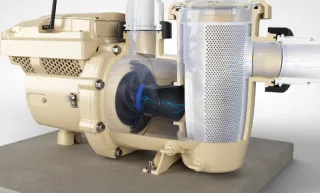
How often should I have my pool equipment looked at?
Getting your pool equipment look at regularly is the equivalent of getting an oil change. We recommend getting your pool equipment tuned up and inspected once a year usually before summer or during the winter months.
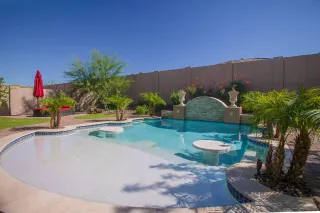
Why is my pool pump making strange noises?
Strange noises from your pool pump can indicate various issues, such as worn-out bearings, debris stuck in the impeller, or air leaks in the suction line. It's essential to address these issues promptly to prevent further damage and maintain optimal pump performance.
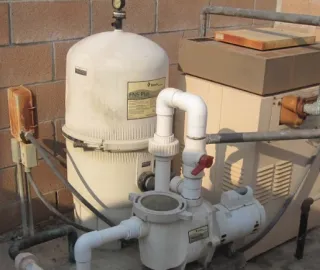
How often should I run my pool pump?
The recommended runtime for a pool pump depends on factors such as pool size, bather load, and climate. As a general rule, running the pump for 8-12 hours per day during the swimming season helps maintain proper circulation and filtration.
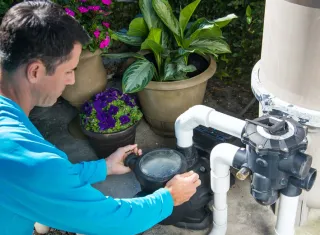
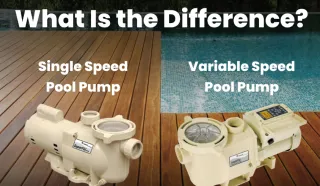
What is the difference between a single-speed and a variable-speed pool pump?
Single-speed pumps operate at a fixed speed, while variable-speed pumps allow you to adjust the speed to match your pool's needs. Variable-speed pumps offer greater energy efficiency and quieter operation, making them a popular choice for pool owners looking to reduce energy costs.
How can I troubleshoot common pool pump problems?
Common pool pump problems such as low flow, leaks, or priming issues can often be resolved through simple troubleshooting steps like checking for clogs, inspecting seals and gaskets, and ensuring proper water level. If troubleshooting doesn't resolve the issue, it's best to consult with a professional pool technician for further assistance.
INFORMATIONAL ARTICLES
Pool Pump Leaking? Quick Fixes That Actually Work Fast Today
Pool Pump Leaking? 7 Fast Fixes to Stop the Drip and Prevent Costly Damage
You walk outside, hear the hum of the pump, and notice a drip forming underneath. A pool pump leaking is easy to ignore at first. After all, it is surrounded by water.
But even a small leak can turn into expensive damage to the pump, the motor, and even your plumbing. In Phoenix, Arizona, where heat and constant use push equipment hard, catching a leak early can save you from bigger pump problems later.
If your pool pump is leaking, here are seven fast fixes to help you stop the drip and protect your system.
Why Is My Pool Pump Leaking?
Before jumping into a fix, it helps to understand where leaks can occur. A leaking pool pump usually comes from one of three areas:
The lid or suction side
The seal between the motor and the pump housing
The plumbing connections on the discharge side
Sometimes the leak only appears when the pump is running. Other times, it continues after the system shuts off. That detail is important for proper verification of the source.
If you are not sure whether you have a true water leak or just a splash from backwashing, check your water level and look for constant leaking water around the base.
Check the Pump Lid and O-ring
If your pump is leaking around the top, start with the pump lid. This is one of the most common and easiest fixes.
Turn off the power at the breaker before touching anything. Remove the lid and inspect the O-ring for cracks, flattening, or debris. A worn O-ring cannot create a good seal.
Wipe it clean and apply a silicone-based lubricant or lube made for pool equipment. Never use petroleum products. If it looks brittle, replace the O-ring completely. This simple step often stops an air leak and prevents air bubbles in your filter system.
Inspect the Shaft Seal for a Seal Leak
If there is a leak from the bottom of the pump, especially between the motor and pump housing, you may have a shaft seal problem.
The shaft seal sits behind the impeller and keeps water from reaching the pump motor. When it fails, water drips out under the housing. Left alone, it can destroy the motor bearing and cause serious damage to the pump.
Replacing a shaft seal is more involved. You need to:
Turn off the power
Drain the pump
Open the housing
Remove the diffuser and impeller
Install the new seal and reassemble
If that sounds intimidating, this is when a pool professional can help. Our comprehensive pool repair services handle seal leak issues before they get worse.
Look for Cracks in the Pump Housing
Plastic pump housing can develop a crack over time, especially under extreme Phoenix heat.
Even strong polyvinyl chloride components can weaken. Inspect the housing carefully. A visible crack or steady drip from the body of the pump usually means it is time for a repair or replacement.
Temporary sealant or silicone may slow a small leak, but it is rarely a long-term fix. If the pump housing is compromised, you may need to replace the entire unit. Our professional pool pump installation and replacement services can guide you through the options.
For cost questions, review our cost to replace a pool pump guide.
Tighten Loose Plumbing Fittings and Pipe Connections
Leaks can occur where the pipe meets the pump. Check both the suction side and discharge side connections. Look at each fitting, valve, and outlet. A loose thread or clamp can cause a slow water leak.
Carefully tighten connections by hand first. Avoid over-tightening, which can crack plastic pipework or damage a gasket.
If you see leaking water around a PVC joint or piping and plumbing fitting, you may need fresh sealant on the threaded connection.
Check the Drain Plug and Gasket
Near the bottom of the pump housing, you will usually find one or two drain plugs. If the pump is leaking around this area, the plug or gasket may be worn. Remove the plug, inspect the gasket, and look for debris. Clean the area and reinstall securely.
If the gasket looks flattened or faulty, you may need to replace it. This is a quick fix that often solves a mystery drip.
Watch for Leaks When the Pump Is Running
Some pool pump leaks only show up under pressure. If you notice water spraying or dripping only when the pump is running, pay attention to water pressure changes on the filter gauge.
Higher pressure can expose weak seals or failing components inside the pump. You might also see air bubbles in the strainer basket or coming through returns into the pool water.
This can point to an air leak on the suction side or restrictions in the filter system caused by debris. Cleaning the strainer basket and filter may solve minor issues. For deeper troubleshooting of common pool pump problems, we have a detailed resource that walks through symptoms and solutions.
Check Water Level and System Flow
Sometimes the issue is not the pump itself. Low water in the pool or spa can cause suction problems that look like leaks.
If the water level drops below the skimmer, the pump pulls in air. That can strain the impeller, reduce water pressure, and cause unusual vibration.
Keep water at the proper level so the system keeps water flowing smoothly. If you suspect a larger pool leak beyond the equipment pad, review the signs that your pool may have a hidden leak.
When to Call a Professional in Phoenix, Arizona
A small drip might seem harmless. But if your pool pump is leaking steadily, or you see a leak when the pump switches on, do not ignore it.
Signs you should call for help:
Water is pooling under the pump motor
Grinding noises that suggest a bad bearing
Recurring shaft seal failures
Cracks in the housing
Ongoing pump problems that you cannot solve
At Triton Pools, we help Phoenix homeowners and commercial properties keep their equipment running reliably, even in intense heat. Our team can inspect, diagnose, and repair issues before they turn into major failures.
Protecting Your Pool Pump Long Term
Regular maintenance goes a long way. Keep the strainer basket clean, monitor your filter pressure, and inspect connections for early signs of a leak. If your pump keeps water contained and running efficiently, your whole system works better.
Ignoring a leaking pool pump can lead to motor burnout, warped components inside the pump, and costly downtime during peak swim season.
When in doubt, it is safer and often more affordable to address the issue early.
Conclusion
A pool pump leaking is never just a cosmetic issue. What starts as a small drip can quickly lead to seal damage, motor failure, or bigger plumbing repairs. By checking the lid, O-ring, shaft seal, plumbing connections, and water level, you can often catch problems early.
If your pool pump is leaking and you are not sure how to fix it safely, Triton Pools in Phoenix, Arizona, is ready to help. Call 623-226-4454 to schedule an inspection and protect your pool before minor leaks turn into major repairs.

wHERE WE SERVICE
SERVING PHOENIX METRO ARIZONA
Apache Junction
San Tan Valley

Connect With Us


