865+ Five-Star Reviews - (623) 226-4454




FAQ Section
Trustworthy
Quality Focused
Financing Available
Locally Owned
Phoenix's #1 Trusted
Pool professionals
WHERE EXCELLENCE IN POOLS MEETS UNPARALLELED SERVICE
Trustworthy
Locally Owned
Quality Focused
Financing Available
COMMON QUESTIONS
How long has Triton Been Around?
We've been around for over 10 years. We have been in the service industry in the Phoenix Valley for over 25 years and counting. We strive to provide the best quality service to all customers in the Phoenix Metro area and our reviews show just that. Reputation is our #1 priority and we want to make sure we provide the best service with the best warranty.

What makes Triton different?
Triton makes things different by trying to put the customer first, meaning we've done things with you in mind. For example one of those things being equipment pricing, we've outsourced our own Pumps, & Salt Cells to ensure we give you the best possible product with the best warranty in the industry.
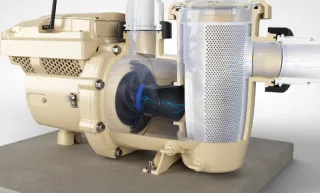
How often should I have my pool equipment looked at?
Getting your pool equipment look at regularly is the equivalent of getting an oil change. We recommend getting your pool equipment tuned up and inspected once a year usually before summer or during the winter months.
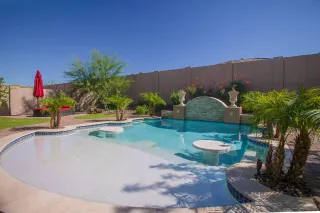
Why is my pool pump making strange noises?
Strange noises from your pool pump can indicate various issues, such as worn-out bearings, debris stuck in the impeller, or air leaks in the suction line. It's essential to address these issues promptly to prevent further damage and maintain optimal pump performance.
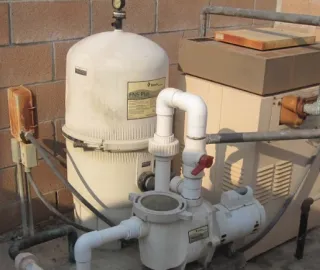
How often should I run my pool pump?
The recommended runtime for a pool pump depends on factors such as pool size, bather load, and climate. As a general rule, running the pump for 8-12 hours per day during the swimming season helps maintain proper circulation and filtration.
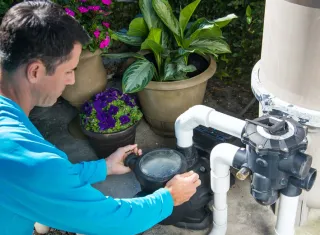
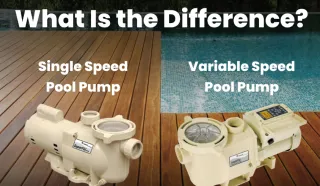
What is the difference between a single-speed and a variable-speed pool pump?
Single-speed pumps operate at a fixed speed, while variable-speed pumps allow you to adjust the speed to match your pool's needs. Variable-speed pumps offer greater energy efficiency and quieter operation, making them a popular choice for pool owners looking to reduce energy costs.
How can I troubleshoot common pool pump problems?
Common pool pump problems such as low flow, leaks, or priming issues can often be resolved through simple troubleshooting steps like checking for clogs, inspecting seals and gaskets, and ensuring proper water level. If troubleshooting doesn't resolve the issue, it's best to consult with a professional pool technician for further assistance.
INFORMATIONAL ARTICLES

How To Prime A Pool Pump Quickly and Avoid Costly Damage
How To Prime A Pool Pump The Right Way And Get Your Water Flowing Fast
If your pool pump is running but no water is moving, you are likely dealing with a priming issue.
It is a common problem, especially after cleaning the filter, lowering the water level, or repairing a valve. The good news is that you can usually fix it yourself in just a few easy steps.
This guide will walk you through how to prime a pool pump properly so you can restore strong water flow and keep your swimming pool clean and safe.
What It Means To Prime A Pool Pump
To prime a pool pump means removing air from the system so it can pull water through the suction line and push it back to the pool. A pump cannot suck water efficiently if it is filled with air. It needs a steady, full flow of water to operate normally.
When air gets trapped inside the housing, the motor may run, but nothing moves. You might hear a loud humming sound or notice low pressure on the pressure gauge. In some cases, the pump will shut itself off to prevent damage.
Priming restores balance to your filter system and allows water to circulate as it should. That circulation is critical for swimming pool sanitation and overall equipment health.
Signs Your Pool Pump Lost Prime
Before you start the priming process, confirm that the issue really is a loss of prime. Common signs include:
No water visible through the clear lid on top of the pump
Air bubbles blowing back into the pool water
Low or zero reading on the pressure gauge
Gurgling noises or difficulty maintaining normal flow
The pump basket not filling with water
In Phoenix, Arizona, extreme heat can cause water to evaporate faster, which may lower the water level below the skimmer and allow air into the intake line.
Step-By-Step Guide: How To Prime Your Pool Pump
Here is the proper way to prime your pool pump safely and efficiently.
Step 1: Turn Off The Pump Completely
Always turn off the pump at the breaker before you start. You do not want the motor running dry. Running without water can cause overheating and early replacement costs.
Step 2: Check The Water Level In The Pool
Make sure the water level is at least halfway up the skimmer opening. If it is too low, add water using a garden hose before you continue. If the skimmer pulls in air, the pump will never fully prime properly.
Step 3: Inspect And Clean The Strainer Basket
Remove the pump lid carefully. Take out the strainer basket and clean out any debris, like leaves or dirt. Even small debris can restrict suction and affect circulation. Rinse the basket with a hose and place it back inside.
Step 4: Fill The Pump With Water
Use a bucket or hose to fill the pump housing with water. This step helps create the suction needed to get things moving. Be sure the water reaches the top of the chamber. A full housing improves your chances of a smooth start.
Step 5: Check The O-Ring And Lid
Before replacing the lid, inspect the O-ring for cracks or dryness. A damaged O-ring can cause an air leak and prevent the pump from sealing correctly. Apply a pool-safe lubricant if needed. Then secure the lid firmly. Make sure it is aligned correctly and fully locked into place.
Step 6: Open The Valves
Check that all suction and return valve handles are in the correct position. They should be open to allow water to move through the line. If your system has multiple valves, confirm each one is positioned properly. On top of your filter, slowly open the air relief valve to allow air to escape during startup.
Step 7: Turn On The Pump
Now restore power and turn on the pump. Watch through the clear lid. Within a minute or two, you should see water begin to fill the basket area. The pump will start to suck water from the pool and push it through the discharge side back to the pool. As the system builds pressure, water will spray from the air relief valve. Once you see a steady stream of water, close the valve. You may hear air release at first. That is normal during the priming process.
What If The Pump Still Will Not Prime?
If you attempt to prime and the water does not flow freely after a few minutes, do not let it run too long. Turn off the pump and recheck everything.
Common causes include:
A suction side leak
A cracked valve
A clogged skimmer or intake line
Air entering through a worn O-ring
A blockage in the filter system
If you recently installed a new pump or made a part replacement, double-check all connections.
Even a small leak can prevent proper pressure buildup. Seeing the process can help you identify mistakes more easily.
Why Proper Priming Matters In Phoenix, Arizona
In Phoenix, Arizona, your pool pump works hard for much of the year. High temperatures increase evaporation and strain on your system. If circulation is off, chemical balance suffers quickly.
Poor flow can cause cloudy water, algae growth, and uneven filtration. Over time, that can stress your pump, filter, and plumbing.
When To Call A Professional
Priming is something many homeowners can handle. But if your pump repeatedly loses prime or you notice persistent air bubbles, motor noise, or inconsistent discharge, it may be time for help.
At Triton Pools, we provide professional pool pump services for homeowners and commercial properties across Phoenix. We inspect the entire system, test pressure levels, check for hidden leaks, and ensure everything runs properly. If needed, we can also walk you through how to choose the right pool pump for your pool if a repair no longer makes sense.
Conclusion
Learning how to prime a pool pump is one of the most useful skills a pool owner can have. Done correctly, it restores water flow, protects your equipment, and keeps your swimming pool clean and healthy. If your pump struggles to stay primed or you suspect a deeper problem, Triton Pools in Phoenix, Arizona, is here to help. Call 623-226-4454 or visit Triton Pools Service & Repair to schedule service and get your pool running smoothly again.

wHERE WE SERVICE
SERVING PHOENIX METRO ARIZONA

Apache Junction
San Tan Valley

Connect With Us


