
865+ Five-Star Reviews - (623) 226-4454




FAQ Section
Trustworthy
Quality Focused
Financing Available
Locally Owned
Phoenix's #1 Trusted
Pool professionals
WHERE EXCELLENCE IN POOLS MEETS UNPARALLELED SERVICE
Trustworthy
Locally Owned
Quality Focused
Financing Available
COMMON QUESTIONS
How long has Triton Been Around?
We've been around for over 10 years. We have been in the service industry in the Phoenix Valley for over 25 years and counting. We strive to provide the best quality service to all customers in the Phoenix Metro area and our reviews show just that. Reputation is our #1 priority and we want to make sure we provide the best service with the best warranty.

What makes Triton different?
Triton makes things different by trying to put the customer first, meaning we've done things with you in mind. For example one of those things being equipment pricing, we've outsourced our own Pumps, & Salt Cells to ensure we give you the best possible product with the best warranty in the industry.
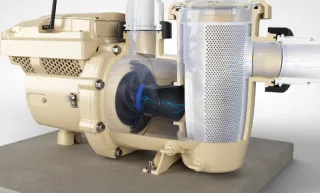
How often should I have my pool equipment looked at?
Getting your pool equipment look at regularly is the equivalent of getting an oil change. We recommend getting your pool equipment tuned up and inspected once a year usually before summer or during the winter months.
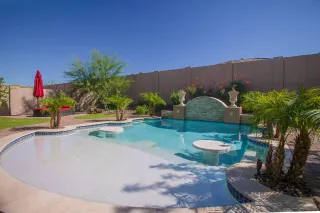
Why is my pool pump making strange noises?
Strange noises from your pool pump can indicate various issues, such as worn-out bearings, debris stuck in the impeller, or air leaks in the suction line. It's essential to address these issues promptly to prevent further damage and maintain optimal pump performance.
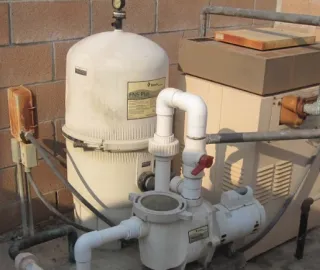
How often should I run my pool pump?
The recommended runtime for a pool pump depends on factors such as pool size, bather load, and climate. As a general rule, running the pump for 8-12 hours per day during the swimming season helps maintain proper circulation and filtration.
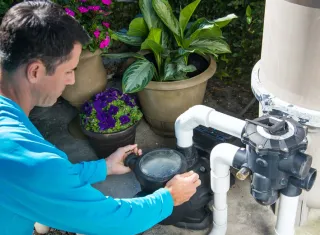
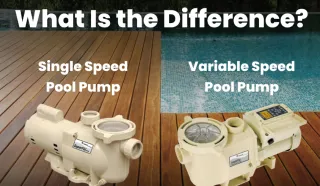
What is the difference between a single-speed and a variable-speed pool pump?
Single-speed pumps operate at a fixed speed, while variable-speed pumps allow you to adjust the speed to match your pool's needs. Variable-speed pumps offer greater energy efficiency and quieter operation, making them a popular choice for pool owners looking to reduce energy costs.
How can I troubleshoot common pool pump problems?
Common pool pump problems such as low flow, leaks, or priming issues can often be resolved through simple troubleshooting steps like checking for clogs, inspecting seals and gaskets, and ensuring proper water level. If troubleshooting doesn't resolve the issue, it's best to consult with a professional pool technician for further assistance.
INFORMATIONAL ARTICLES
How Often Should a Pool Filter Be Cleaned for Clear Water
How Often Should a Pool Filter Be Cleaned? A Simple Schedule for Clear, Sparkling Water
If you own a pool in Phoenix, Arizona, you already know how quickly dust, dirt, and organic matter can take over. Between desert winds, nearby trees, and heavy sun exposure, your pool works hard year-round. And at the heart of it all is your filter.
One of the most common questions we hear at Triton Pools is this: How often should a pool filter be cleaned? The short answer is, it depends. The longer answer is what will help you avoid cloudy water, high energy bills, and preventable repairs.
Let’s break it down in simple terms, so you know exactly when it is time to clean your pool filter and what to watch for.
Why Pool Filter Cleaning Matters More Than You Think
Your pool filter is like an air filter in your home, except it filters water instead of air. Its job is to remove dirt and debris, algae, dust, and other contaminants from the water.
In Phoenix, fine dust and sand can quickly clog a filter system. When that happens, water flow drops, filter pressure rises, and your pool pump has to work harder. That extra strain can lead to damage to the filter, the pump, or other pool system components.
Regular pool filter cleaning protects:
Water quality
Your equipment
Your energy efficiency
Your wallet
If you want to keep your pool clean and clear all season long, filter maintenance is essential.
How Often Should a Pool Filter Be Cleaned in Phoenix?
There is no universal cleaning frequency because it depends on your filter type, how often you use your pool, and how much debris ends up in the water.
That said, here are general guidelines for the different types of pool filters homeowners use.
Cartridge Pool Filter Cleaning Schedule
A cartridge filter is one of the most common pool filters in Phoenix. It uses pleated filter cartridges to trap dirt and particles. The large surface area of each pleat allows it to capture fine debris without requiring frequent backwashing.
For most pools:
Cartridge pool filters should be cleaned every 3-4 months
Heavy use or monsoon dust may require additional cleanings
Smaller cartridge filter systems may need to be cleaned more often
Many cartridge filters need to be cleaned every 3 to 4 months, but that is only a starting point. The real indicator is pressure.
Sand Filter Cleaning Schedule
A sand filter uses sand inside a tank to catch debris as water passes through. Instead of removing the sand to clean it, you use backwashing to flush out contamination.
In general:
A sand filter should be backwashed when pressure rises 8-10 psi above baseline
In Phoenix, this might mean once per month during heavy pool season
Sand typically needs to be replaced every few years
If you are unsure which is better for your type of pool, here is a helpful sand filter vs. cartridge filter comparison for Phoenix pools.
DE Filter Cleaning Schedule
A DE filter uses a fine powder to coat internal grids, capturing extremely small particles. These pool filters provide excellent water quality but require more detailed filter cleanings.
Typically:
Backwash when pressure rises 8-10 psi
Perform a full teardown and cleaning at least once per year
Add fresh DE powder after each backwash
No matter the type of filter, rising pressure is your best indicator.
Use Your Pressure Gauge - It Tells You When It Is Time to Clean
Your pressure gauge measures pressure in pounds per square inch, also called psi. That pressure reading tells you how hard water is pushing through the filter tank.
When your filter is brand new or freshly cleaned, take note of the starting pressure. This is your baseline.
From there:
If the pressure is 8-10 psi above the starting pressure, it indicates the need for cleaning
10 psi over baseline is a clear sign
Pressure measurement rising steadily means a dirty filter
Higher filter pressure reduces water flow. Poor water flow leads to cloudy water and even algal blooms in the Phoenix heat.
If you are unsure, Triton Pools offers professional pool filter cleaning services that take the guesswork out of maintenance.
Signs You Need to Clean Your Filter
Pressure is the main signal, but it is not the only one.
You may need to clean your filter if you notice:
Cloudy pool water
Slower circulation
Dirt and debris returning to the pool
A struggling pool pump
Increased energy bills
If your clean pool suddenly looks dull, the filter cartridge may need attention. A clogged filter cartridge can allow smaller particles to slip through or restrict flow so badly that filtration suffers.
Routine maintenance of your pool filter prevents these issues before they become equipment failure.
How to Clean a Cartridge Pool Filter the Right Way
If you want to clean a pool filter yourself, follow a careful process.
Turn off the pump and release pressure from the tank.
Remove the cartridge pool filter from the filter tank.
Rinse off larger debris using a hose.
Soak the cartridge in a pool filter cartridge cleaning solution.
Use a cleaner specifically designed for pool filters. A cartridge cleaning solution helps remove oils, dirt, and organic buildup. In Phoenix, sunscreen and fine dust build up rapidly in filter cartridges.
To deep clean:
Soak it in a pool filter cleaner overnight.
Use a cartridge cleaning solution to remove built-up residue between each pleat.
Rinse thoroughly before placing it back in the filter tank.
Never use harsh household chemicals that could damage the filter or degrade the O-ring. When cleaned properly, the cartridge will last longer and perform better between replacements.
When cleaning your pool, inspect the filter housing and O-ring while everything is open. A worn seal can cause leaks and pressure problems.
After rinsing, reinstall the cartridge and note the new filter pressure. Each time you clean it, track the pressure reading and write down when it was last serviced.
What About Sand and DE Filters?
For a sand filter, you will rely on backwashing (water treatment) instead of removing media.
Simply adjust the valve, run the pump, and flip it back when the water runs clear.
For a DE filter, you will backwash and occasionally remove the grids for a deep cleaning. DE filters capture fine contamination and algae, which makes them powerful but more maintenance-heavy.
If you own a new pool and are unsure about your type of equipment, you can review pool filter systems and installation options to better understand what you have.
When Is It Time to Replace Your Pool Filter Cartridge?
Cleaning helps, but filter cartridges eventually need to be replaced.
Here are signs you need to replace your pool filter:
The pool filter cartridge needs cleaning more frequently
Pressure does not drop after cleaning
The pleated fabric looks torn
Cracks appear in the cartridge frame
Over time, the surface area wears out. The filter cartridge needs replacement when the fibers lose structure. Most cartridge systems need replacement every 2 to 3 years, depending on pool ownership habits and frequency of use.
Eventually need an upgrade? Here is a helpful guide covering the signs you need to replace your pool filter.
Phoenix Specific Factors That Affect Cleaning Frequency
Phoenix has unique environmental conditions.
Dust storms can blow sand and dirt directly into your pool. Trees drop leaves and organic matter. Intense sun accelerates algae growth and affects water chemistry.
Because of this:
Pool filters in Phoenix often require more frequent filter cleaning
Your pump basket should be emptied weekly
Inspect the pump basket and skimmer basket regularly
Summer pool season may require more attention than winter
Neglecting the pump basket allows larger debris to clog the system before it even reaches the water filter.
If something seems off, review common pool pump and filter problems in the Phoenix Valley to determine whether the issue is cleaning-related or a part failure.
How Often You Should Clean Based on Usage
If you rarely use your pool, your cleaning frequency may be lower. But if you use your pool daily or host frequent gatherings, expect more debris, sunscreen buildup, and organic contamination.
A simple rule:
Light use - clean every 3-4 months
Heavy use - monitor pressure weekly
After storms - inspect the filter immediately
The time to clean is not a fixed calendar date. The time to clean is when the pressure is 8-10 psi above baseline.
Maintaining your pool consistently keeps water quality stable and prevents expensive repairs.
The Bottom Line on Pool Filter Cleanings in Phoenix
Pool ownership in Phoenix requires vigilance because of dust, sand, and heat. Different types of pool filters have different needs, but all rely on consistent maintenance.
If you stay ahead of pressure changes, watch your pressure gauge, and clean your filter before it becomes severely clogged, your pool remains clear and efficient.
A well-maintained filter system protects your pump, preserves water quality, and reduces the risk of algae blooms.
If you ever feel unsure or simply do not want to deal with disassembling a filter tank in the Arizona heat, Triton Pools offers filter cleaning and repair services tailored to Phoenix homeowners.
Conclusion
So how often should a pool filter be cleaned? In Phoenix, most systems need attention every 3 to 4 months, but the real answer comes from your pressure gauge. When filter pressure rises 8 to 10 psi above baseline, it is time to act. Watching water clarity, monitoring your pump basket, and staying consistent with pool maintenance will help keep your pool clean and clear year-round.
If you would rather leave it to local experts, contact Triton Pools at 623-226-4454 to schedule service and keep your system running at its best.

wHERE WE SERVICE
SERVING PHOENIX METRO ARIZONA

Apache Junction
San Tan Valley

Connect With Us


