865+ Five-Star Reviews - (623) 226-4454




FAQ Section
Trustworthy
Quality Focused
Financing Available
Locally Owned
Phoenix's #1 Trusted
Pool professionals
WHERE EXCELLENCE IN POOLS MEETS UNPARALLELED SERVICE
Trustworthy
Locally Owned
Quality Focused
Financing Available
COMMON QUESTIONS
How long has Triton Been Around?
We've been around for over 10 years. We have been in the service industry in the Phoenix Valley for over 25 years and counting. We strive to provide the best quality service to all customers in the Phoenix Metro area and our reviews show just that. Reputation is our #1 priority and we want to make sure we provide the best service with the best warranty.

What makes Triton different?
Triton makes things different by trying to put the customer first, meaning we've done things with you in mind. For example one of those things being equipment pricing, we've outsourced our own Pumps, & Salt Cells to ensure we give you the best possible product with the best warranty in the industry.
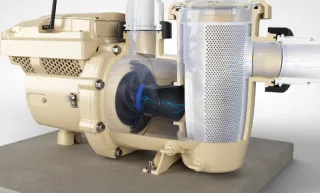
How often should I have my pool equipment looked at?
Getting your pool equipment look at regularly is the equivalent of getting an oil change. We recommend getting your pool equipment tuned up and inspected once a year usually before summer or during the winter months.
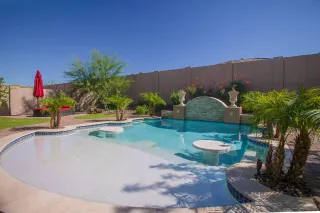
Why is my pool pump making strange noises?
Strange noises from your pool pump can indicate various issues, such as worn-out bearings, debris stuck in the impeller, or air leaks in the suction line. It's essential to address these issues promptly to prevent further damage and maintain optimal pump performance.
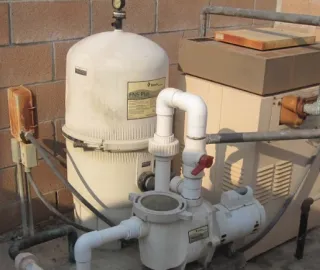
How often should I run my pool pump?
The recommended runtime for a pool pump depends on factors such as pool size, bather load, and climate. As a general rule, running the pump for 8-12 hours per day during the swimming season helps maintain proper circulation and filtration.
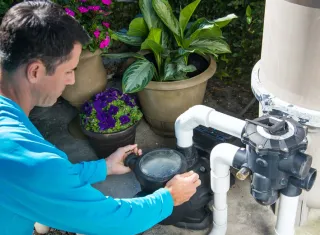
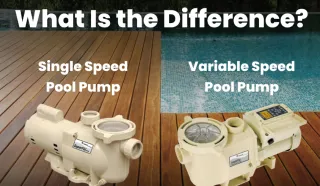
What is the difference between a single-speed and a variable-speed pool pump?
Single-speed pumps operate at a fixed speed, while variable-speed pumps allow you to adjust the speed to match your pool's needs. Variable-speed pumps offer greater energy efficiency and quieter operation, making them a popular choice for pool owners looking to reduce energy costs.
How can I troubleshoot common pool pump problems?
Common pool pump problems such as low flow, leaks, or priming issues can often be resolved through simple troubleshooting steps like checking for clogs, inspecting seals and gaskets, and ensuring proper water level. If troubleshooting doesn't resolve the issue, it's best to consult with a professional pool technician for further assistance.
INFORMATIONAL ARTICLES
How Long Do Pool Pumps Last? Lifespan Facts and Smart Tips
How Long Do Pool Pumps Really Last? Ways to Make Yours Last Longer
If you own a swimming pool in Phoenix, Arizona, you already know the pump is the heart of the whole system. When it is working properly, your water stays clear, balanced, and safe. When your pump is on the fritz, everything from filtration to circulation suffers quickly.
So, how long do pool pumps last? The honest answer is, it depends.
In most cases, you can expect an average lifespan of 8 to 15 years. But that range varies based on maintenance, usage, climate, and the type of pump installed. Let’s break it down so you know what affects how long a pool pump will last and how to make yours go the distance.
What Is the Average Pool Pump Lifespan?
Some pumps can last 8 to 15 years with solid pool maintenance and proper setup. But those ideal conditions matter. High-quality systems from brands like Hayward or Pentair are often built to last, especially when professionally installed.
Heat, dust, and nearly year-round use in Arizona put more strain on every pump running day after day.
The average lifespan depends on:
Type of pump
How often do you run your pump
Water chemistry
Regular maintenance and inspection
Exposure to debris and weather
A well-cared-for pool pump lasts longer. A neglected one can fail early and need premature replacement.
What Impacts How Long a Pool Pump Will Last?
The Type of Pump You Have
The type of pump makes a difference. Older single-speed units run at one constant speed. They use more electricity and are harder on internal components. That constant high output creates more wear and tear on the motor and bearings.
Variable speed pumps, on the other hand, operate at different speeds depending on your pool’s needs. Because they use less energy and are not always at full power, they often reduce stress on the pump’s motor. That can extend lifespan and reduce pump issues over time.
How Often You Run Your Pump
In Phoenix, your pump is constantly battling heat and evaporation. During peak summer, many pool owners run the pump longer to maintain proper water flow and filtration.
The more hours your pump runs each day, the more quickly components wear down. That does not mean you should run your pump less than recommended. Proper circulation is essential to keep your pool clean and chemically balanced.
Modern pool technology, especially variable-speed systems, allows you to circulate pool water efficiently without overworking the equipment.
Maintenance and Routine Inspection
Routine pool maintenance is one of the biggest factors in how long a pool pump will last. Skipping basic care leads to pump problems.
Clogged baskets, restricted water flow, and debris buildup can cause the pump impeller to clog. When the flow is blocked, pressure increases, and the pump motor may overheat. Over time, that can damage the bearing or even cause complete system failure.
Regular inspection by a professional pool service helps catch early warning signs before expensive repairs and replacements are needed.
Signs It’s Time to Repair or Replace Your Pool Pump
There is a difference between a minor fix and needing a full replacement. Here are common warning signs and early warning signs that indicate it may be time to repair or replace:
Loud grinding or whining from the pool pump motor
Frequent breaker trips due to electricity issues
Visible leak around the pump housing
Low Pressure or poor water flow
If the bearing inside the motor is failing, you will often hear it first. That noise usually means the pump’s motor is nearing the end.
Sometimes replacing the pump makes more financial sense than repairing one aging pump component after another. If you are dealing with constant pump breaking and escalating repairs, it may be time for a replacement.
Repair or Replacement - How Do You Decide?
One of the most common questions pool owners ask is whether to replace their pool pump or repair it.
A good rule of thumb:
If the motor fails but the pump housing is still solid, a motor replacement may work.
If there are cracks in the pump housing, repeated leak issues, or corrosion, a full replacement is often smarter.
If your pool pump is over 8–10 years old and major components are failing, replacement is usually more cost-effective long-term.
How to Make Your Pool Pump Last Longer
You cannot control the Arizona heat, but you can control how you care for your equipment. Here are proven ways to extend your pump lifespan.
Keep Baskets and Filters Clean
Clogs force your pump to work harder. When filters are dirty or baskets fill with debris, circulation drops, and the motor strains.
Make it routine to empty baskets and schedule professional filter cleaning. It is a simple step that protects one of the most important components of your pool.
Watch for Leaks Early
Even a small leak at the pump housing, unions, or o-rings and gaskets can lead to bigger damage. Air entering the system reduces efficiency and increases strain.
Addressing a leak quickly prevents larger pump issues and protects seals from being worn or damaged.
Ensure Proper Water Chemistry
Balanced pool water protects internal seals and prevents corrosion. Water that is too acidic or too high in calcium can damage seals, impellers, and internal pump parts.
This is especially important for every swimming pool in Phoenix due to hard water concerns.
Keep the Pump Area Ventilated
Your pump needs airflow to avoid overheating conditions. If the unit is boxed in or surrounded by stored items, heat builds up and shortens motor longevity. Clear space helps energy dissipate properly and reduces strain on the system.
Upgrade to Variable Speed Technology
If you are running an older single-speed unit, upgrading to a variable-speed model may improve efficiency and longevity.
Variable speed pumps use less energy, reduce strain, and dramatically lower energy bills. You can read more about the benefits of variable speed pool pumps for energy savings to see why many Phoenix homeowners are switching.
When It’s Time to Replace a Pool Pump
Eventually, every pump needs to be replaced. No equipment lasts forever. If your pump needs constant repairs, is inefficient, or struggles with proper filtration, it may be time to replace it.
A new pump offers better circulation, quieter operation, and improved energy efficiency. Modern systems also integrate better with automation and smart controls.
At Triton Pools, we guide homeowners through professional pool pump installation and replacement services so they feel confident about choosing the right replacement pump.
Whether you need to replace a pool pump at a residential property or a commercial pool, proper installation matters.
Protecting Your Investment in Phoenix, Arizona
Owning a beautiful pool in Phoenix requires consistent pool care. Your pump keeps water moving, chemicals balanced, and debris filtered out.
With proactive maintenance and prompt attention to pump issues, your pool pump lasts longer and performs better. Regular service also helps prevent premature breakdowns and avoids the stress of emergency repairs.
The right approach keeps one of the hardest-working components of your pool operating efficiently for years.
Conclusion
So, how long do pool pumps last? Most last 8 to 15 years, but proper care makes all the difference. Routine maintenance, early leak repair, clean filtration, and upgrading to modern variable-speed systems can significantly extend the life of your pump.
If you are noticing warning signs or wondering whether it is time to repair or replace, Triton Pools in Phoenix, Arizona is here to help with honest guidance and expert service. Call 623-226-4454 to schedule an inspection and keep your pool running strong.

wHERE WE SERVICE
SERVING PHOENIX METRO ARIZONA

Apache Junction
San Tan Valley

Connect With Us


